If you’ve been diagnosed with diabetes — Type 1, Type 2, or prediabetes — you’ve probably already discovered that test strips (the small disposable tabs that fit into a blood glucose meter and read your blood sugar level) are a recurring cost that never really stops. Depending on how often your care plan calls for you to check, you might go through 50 to 200 strips a month. That adds up fast. The good news: buying in bulk — meaning larger quantities purchased at once, usually 200 to 500 strips — can cut your per-strip cost significantly. Layer in an FSA (Flexible Spending Account) or HSA (Health Savings Account), which are special tax-advantaged accounts many employers offer for qualifying medical expenses, and you can effectively get a 20–35% discount on top of the bulk price. This guide walks you through exactly how to stack those savings, which strips are worth buying in volume, and the timing moves that maximize every dollar.
Why the Per-Strip Cost Is the Number That Actually Matters
Most people look at the box price. That’s the wrong frame. The number that matters is cost per strip — and the spread between retail and bulk is wide enough to change your monthly budget meaningfully.
Here’s the math on a common mid-range strip in mid-2026:
By the Numbers
| Purchase format | Strips | Typical price | Cost per strip | Monthly cost (100 strips/mo) |
|---|---|---|---|---|
| Retail (50-count box) | 50 | ~$22 | $0.44 | $44.00 |
| Bulk (200-count box) | 200 | ~$54 | $0.27 | $27.00 |
| Bulk + FSA/HSA (22% tax bracket) | 200 | ~$54 effective ~$42 | ~$0.21 | ~$21.00 |
That’s roughly a 52% reduction in effective monthly cost — from $44 to $21 — by doing two things: buying a larger count and paying with pre-tax dollars. The American Diabetes Association’s Standards of Care in Diabetes 2025 notes that self-monitoring of blood glucose remains a cornerstone of management for insulin users, making this a recurring cost worth optimizing rather than ignoring.
FSA and HSA Basics: What Qualifies and What Doesn’t
Before you bulk-buy anything, confirm you’re spending correctly. IRS Publication 502 is the governing document here — and it’s clear: blood glucose test strips are a qualified medical expense for both FSA and HSA accounts. So are lancets, lancing devices, glucose meters, and continuous glucose monitor (CGM) sensors and transmitters.
What does not qualify under IRS 502: general wellness supplements, most vitamins, and anything purchased “for general health” rather than to treat a diagnosed condition. Sugar-free snacks, for example, are not FSA/HSA eligible regardless of how medically appropriate they are for your diet.
Key structural difference between FSA and HSA:
-
FSA (Flexible Spending Account): Employer-sponsored, use-it-or-lose-it by year-end (some plans allow a grace period or small rollover). This creates a forcing function — you need to spend the balance before the deadline. Bulk-buying strips in November or December to burn remaining FSA funds is one of the most efficient plays in the book.
-
HSA (Health Savings Account): Only available if you’re enrolled in a High-Deductible Health Plan (HDHP). Funds roll over indefinitely, grow tax-free, and can be invested. Buying test strips with HSA dollars is always smart because the money never expires — but there’s no urgency deadline forcing the decision.
Consumer Reports’ blood glucose monitor buying guide reinforces that strips compatible with popular meters (Contour Next, OneTouch Verio, Accu-Chek Guide) vary significantly in per-unit cost across retail formats, making format selection — not just brand selection — an important purchase decision.
Which Strips Are Worth Buying in Bulk?
Not every strip makes sense for a bulk purchase. Here’s the decision framework:
Strips with broad compatibility and low per-unit bulk cost
ReliOn Premier (Walmart store brand, compatible with ReliOn meters) is the most aggressive value play in the market. At bulk pricing, owners consistently report landing well under $0.20 per strip when buying the 200-count format. These are FDA-cleared and meet the same accuracy standard — ISO 15197:2013 — as higher-priced competitors. The FDA’s guidance on blood glucose monitoring test systems confirms that all legally marketed strips must meet defined accuracy thresholds, so “budget strip” doesn’t mean “inaccurate strip” — it means lower margin for the retailer.
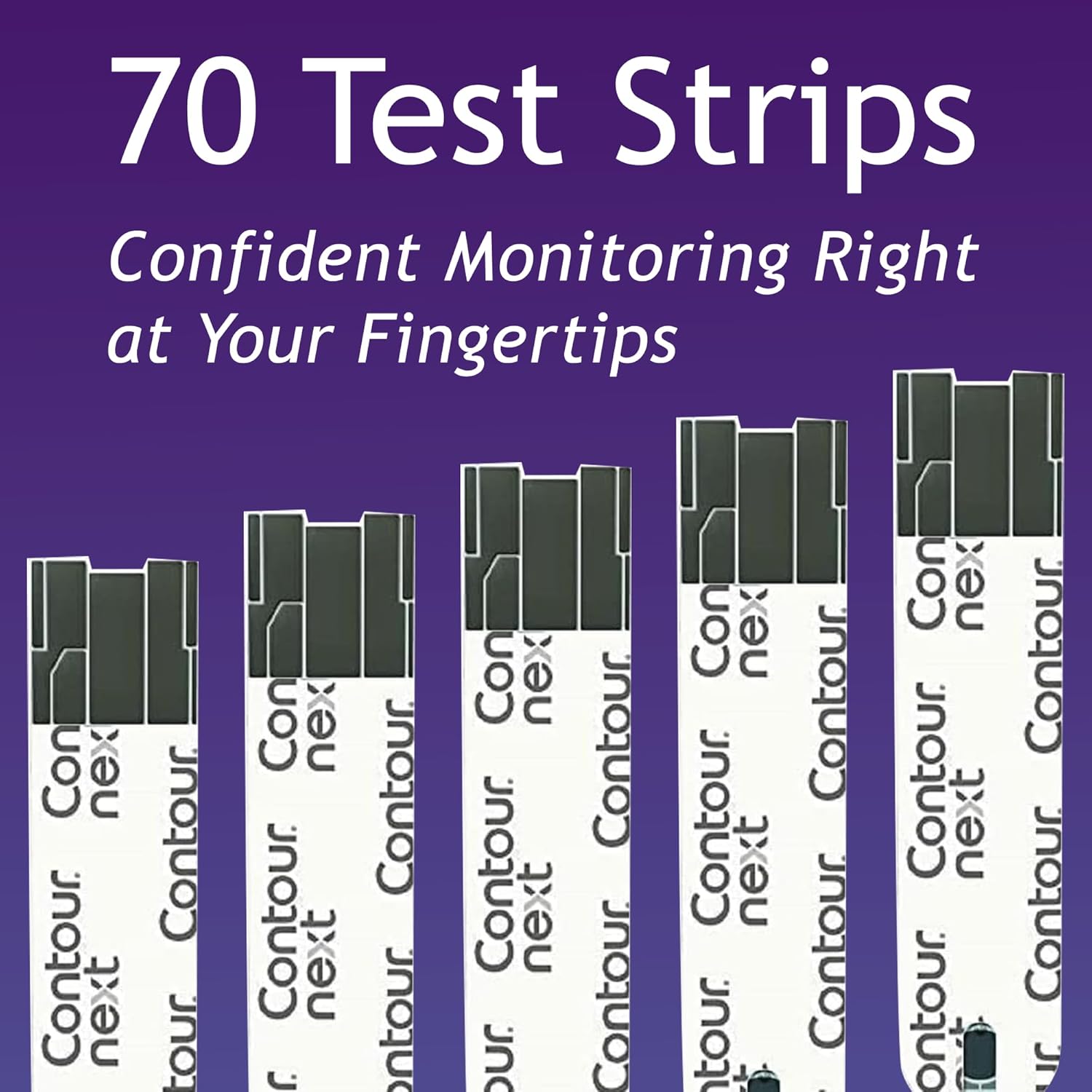
Contour Next strips have a strong reputation in online diabetes communities for accuracy at the edges (low and high blood glucose readings), and they’re available in bulk formats that bring the per-strip cost into the $0.28–$0.35 range depending on the channel. If your meter is already a Contour Next One or Contour Next EZ, this is often the best balance of performance and bulk economics.
OneTouch Verio strips are slightly more expensive in bulk, typically $0.35–$0.45 per strip, but the OneTouch ecosystem integrates cleanly with several insulin dose calculators and apps — a real-world workflow advantage for Type 1 users or those on intensive insulin management.
Accu-Chek Guide strips offer spill-resistant vial design (a minor but genuinely useful feature for users who drop things — reviewers consistently flag it as a standout). Bulk pricing tends to track slightly above Contour Next but below OneTouch at the 200-count level.
Strips you should not bulk-buy
- Strips for a meter you’re considering replacing. Buying 400 strips for a meter you might switch out in three months is a waste. Confirm your meter is staying before committing to a large quantity.
- Expired or near-expiration lots. Bulk channels occasionally surface strips with short remaining shelf life. Always check the expiration date on the lot before purchasing — FDA guidance is explicit that expired strips can produce inaccurate readings.
- Strips incompatible with your meter. This sounds obvious, but strip-meter compatibility is model-specific, not brand-wide. A Contour Next strip does not work in a Contour Plus meter. Verify before buying.
Healthline’s overview of blood sugar testing frequency notes that testing needs vary significantly by diabetes type and treatment regimen — someone checking twice daily has very different volume needs than someone on multiple daily injections checking six or more times. Calibrate your bulk quantity to your actual monthly consumption, not a theoretical maximum.
The Timing Strategy: How to Stack FSA Deadlines With Bulk Discounts
This is where the intermediate-practitioner angle pays off. Most people know FSA funds expire. Fewer people treat the expiration deadline as a purchasing trigger for bulk consumables.
Here’s the playbook:
October through December is the high-leverage window for FSA holders. You know roughly what your remaining balance is. You know your meter. You know your monthly strip consumption rate. Run the math:
Remaining FSA balance ÷ cost per strip (bulk price) = strips you can pre-purchase
If your remaining FSA balance is $150 and your bulk strip cost is $0.27 each, you can buy roughly 555 strips — about a 5-month supply if you’re testing 100 times per month — for zero out-of-pocket net cost (it’s pre-tax money you’d otherwise forfeit).
January 1 reload: If your FSA resets on January 1, your new annual contribution is available in full on day one (FSA rules allow front-loading access to the full annual election). This is a legitimate window to buy another bulk lot immediately, then let the account replenish through payroll deductions across the year.
HSA holders have more flexibility but should still think in bulk. Because HSA funds never expire, the case for bulk-buying is purely economic: you’re locking in today’s price, reducing per-unit cost, and using pre-tax dollars. If strip prices trend upward — which they have for some branded options as CGM adoption shifts the retail mix — buying ahead is a modest hedge.
One nuance worth tracking: some FSA/HSA debit cards have merchant category restrictions that flag bulk-channel purchases. If your card is declined at a non-pharmacy retailer, you can always pay out of pocket and submit for reimbursement with a receipt. Keep digital receipts for everything.
Insurance Overlap: Don’t Double-Pay
Before you bulk-buy anything, check what your insurance already covers. This is a common failure mode — buying 300 strips out of pocket when insurance would have covered them at a $10 copay.
Medicare Part B covers blood glucose test strips for insulin-using beneficiaries at 80% of the approved amount (20% is your responsibility, or covered by a supplemental plan). The quantity limits are specific: typically 100 strips per month for non-insulin users and 300 per month for insulin users, per CMS guidelines. If you’re on Medicare, bulk-buying strips that insurance would cover is usually the wrong move — the insurance math almost always beats bulk retail even at bulk pricing.
Commercial insurance coverage varies widely. Some plans cover strips as a pharmacy benefit with a per-box copay; others require a durable medical equipment (DME) prior authorization. Before you purchase a bulk lot, confirm whether your plan has a monthly covered quantity — and whether buying retail strips (even in bulk) would disqualify you from insurance-covered strips in the same period. It rarely does, but it’s worth a five-minute call to your plan’s member services line.
For cash-pay buyers — either uninsured or those on high-deductible plans before meeting the deductible — bulk purchasing with HSA dollars is the single most effective cost-reduction tool available short of switching to a no-frills meter ecosystem like ReliOn.
The Decision Rules
If you’ve read this far, here’s the clean “if X, then Y” framework:
If you have an FSA with a December 31 deadline and more than $50 remaining: buy a 3–6 month bulk supply of your current strips before year-end. Don’t let that money evaporate.
If you have an HSA: buy in bulk whenever you’re at or near a consumption rhythm you’re confident in. The savings compound over time because every dollar in the HSA that doesn’t get spent can be invested.
If you’re on Medicare or commercial insurance with strip coverage: use your covered benefit first. Only buy bulk out-of-pocket for strips beyond your covered quantity.
If you’re evaluating a meter switch: wait. Don’t buy 400 strips for a meter you’re about to replace. Settle the meter decision first, then optimize the strip purchasing.
If you’re testing infrequently (fewer than 30 strips per month): bulk-buying may not make sense — strips expire, typically within 12–18 months of opening, and a 200-count lot might outlast its shelf life before you finish it.
The underlying principle is simple: test strips are a predictable, recurring, FSA/HSA-eligible expense. Treating them like a commodity to be optimized — rather than a prescription to be passively refilled — is one of the highest-return moves in diabetes cost management. The math is on your side. Use it.