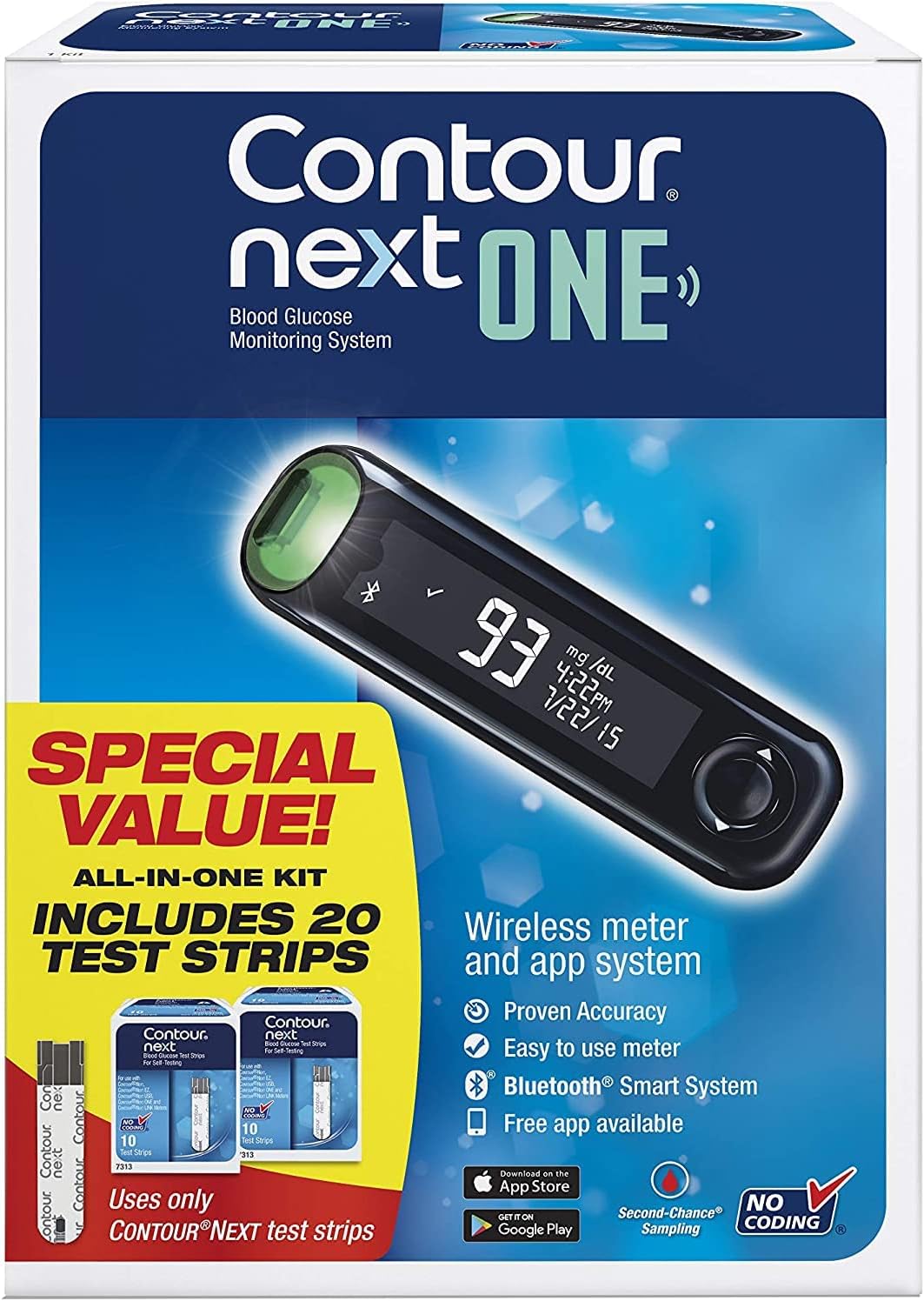
A blood glucose meter (BGM) is a small handheld device that reads your blood sugar from a tiny drop of blood on a test strip. It gives you a number — in mg/dL — that tells you where your glucose is right now. For decades, that data lived on the meter’s screen and nowhere else. Connected or smart meters changed that: they pair wirelessly with your smartphone and push every reading into an app automatically, building a searchable log you can share with your care team. If you’ve ever spent ten minutes manually entering numbers into a diabetes app, you already understand the appeal.
This guide compares three of the most-discussed connected meters available in 2025–2026 — the iHealth Align BG1, the Contour Next ONE, and the Dario Blood Glucose Monitor — on the dimensions that actually move the needle: real-world strip cost, app ecosystem, accuracy ratings, and fit for different user profiles. By the end, you’ll have a clear decision rule for each.
Why the App Layer Matters More Than the Hardware
At the hardware level, all three meters are more alike than their marketing suggests. They all use electrochemical detection, all carry FDA 510(k) clearance, and all produce readings within the ISO 15197:2013 accuracy standard that regulators require. That standard mandates that 95% of readings fall within ±15 mg/dL of a reference value at low glucose levels and within ±15% at higher levels.
Hardware is mostly table stakes. The real differentiation is how the app interprets your data and what the ecosystem around the meter enables. According to the American Diabetes Association’s Standards of Care in Diabetes 2025, Section 7: Diabetes Technology (published in Diabetes Care, Supplement 1), connected device ecosystems — including integrated apps with pattern recognition — are associated with improved glycemic outcomes when patients actively engage with the data. The device is the sensor; the app is where the value compounds.
Here’s what separates the three contenders before we go deep:
| Meter | Approx. Street Price (meter) | Strip Cost per 50 | Cost per Test | FSA/HSA Eligible? |
|---|---|---|---|---|
| iHealth Align BG1 | ~$20–$30 | ~$14–$18 | ~$0.28–$0.36 | ✅ Yes |
| Contour Next ONE | ~$30–$45 | ~$22–$30 | ~$0.44–$0.60 | ✅ Yes |
| Dario BGM Kit | ~$15–$25 (hardware) | ~$25–$35 per 25-strip cartridge | ~$1.00–$1.40 | ✅ Yes |
Prices based on aggregated retail data as of Q1 2026; strip pricing varies by retailer and subscription plan.
The Three Meters, Side by Side
iHealth Align BG1: The Budget-Friendly Entry Point
The iHealth Align is the low-friction choice. The meter is compact, widely reviewed as easy for first-time users, and the iHealth MyVitals app is free on iOS and Android. It connects via Bluetooth and syncs readings automatically without requiring manual entry.
What reviewers say: Healthline’s overview, Best Glucose Meters for Tracking Blood Sugar (reviewed 2024), identifies the iHealth Align as a strong value pick for people who want connected logging without committing to a premium strip ecosystem. Across aggregated owner accounts, setup is reported to take under five minutes and the app performs reliably across both major mobile platforms.
The strip math: At roughly $0.28–$0.36 per test and testing four times daily, you’re looking at approximately $34–$43 per month in strip costs. That’s among the lowest in the connected-meter category and competitive even against some non-connected store brands. Strips are FSA/HSA eligible, which matters if you’re managing out-of-pocket costs with a healthcare spending account.
Where it shows its limits: The iHealth app handles basic logging and trending well, but it lacks the depth of pattern-analysis tools that practitioners and engaged self-managers want. There’s no built-in insulin dose tracker, no meal tagging, and the data export options — useful when sharing with an endocrinologist — are functional but not polished. The app’s integration with third-party health platforms is more limited than what Contour’s ecosystem offers.
The honest tradeoff: You’re trading data richness for strip savings. If your primary goal is frictionless logging at the lowest monthly cost, iHealth Align is your meter. If you want your meter to function as a decision-support tool rather than a simple ledger, you’ll reach the ceiling quickly.
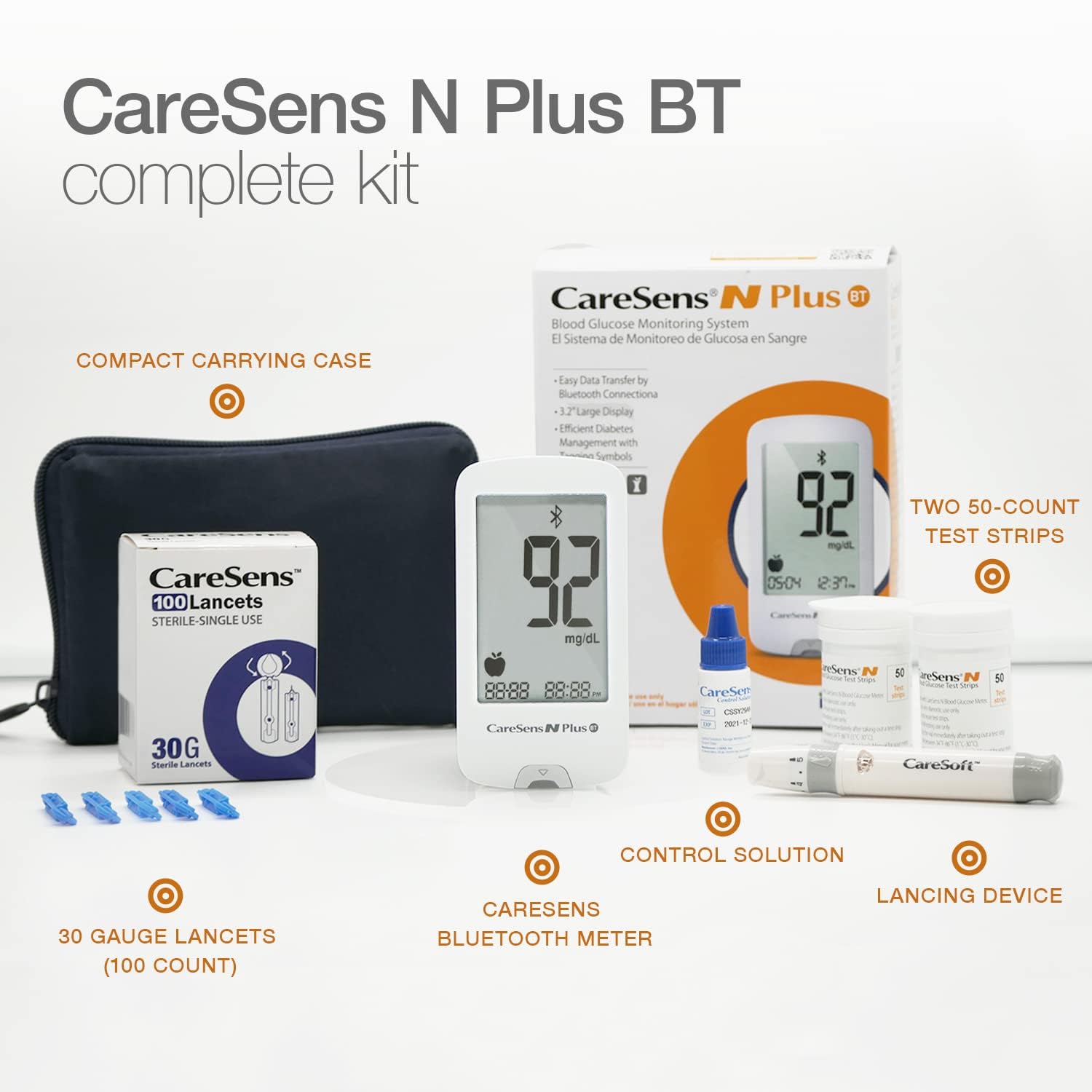
CareSens
$23.99
In stock on Amazon
Check price on AmazonContour Next ONE: The Practitioner’s Default for a Reason
The Contour Next ONE from Ascensia Diabetes Care is the meter that keeps appearing at the top of clinical recommendation lists — and the reasons hold up under scrutiny. Everyday Health’s updated 2025 review, Contour Next ONE Review: An Easy-to-Use Smart Meter, describes it as one of the most accurate consumer BGMs available, a position consistent with the Contour Next strip line’s well-documented performance in published accuracy literature.
The accuracy edge: The Contour Next strip technology uses what Ascensia calls “Second-Chance Sampling.” If you don’t apply enough blood on the first attempt, you can add more within 60 seconds without discarding the strip. Owners consistently report this as a meaningful quality-of-life feature, especially for people with circulation issues in their fingertips.
The app ecosystem: The Contour Diabetes app (iOS and Android) is one of the better-designed BGM apps in this category. It offers pattern recognition with flagged high/low events, a smartLOG feature that marks readings as pre- or post-meal automatically, and a structured data summary designed for clinical sharing. It syncs with Apple Health and integrates with select insulin pump platforms. For someone logging three to four times daily and bringing data to quarterly endocrinology appointments, this is the closest a BGM app gets to clinical-grade reporting without moving to CGM territory.
Strip math: At $0.44–$0.60 per test and four daily tests, your monthly strip cost runs approximately $53–$72. That’s a real step up from iHealth. But if the app’s pattern tools replace a separate logging app or reduce appointment friction with more complete records, the gap narrows on a total-cost basis.
FSA/HSA: Fully eligible. The American Diabetes Association’s guidance on blood glucose testing and control affirms BGMs as qualified medical expenses under IRS Publication 502, and the meter itself often qualifies — worth confirming with your plan administrator.
The honest tradeoff: Contour Next ONE costs more per strip and earns it. If you’re actively managing diabetes with multiple daily tests, sharing data with a care team, or recommending a connected meter to patients who need to demonstrate glycemic patterns, this is the defensible default. The app is where the value premium lives.
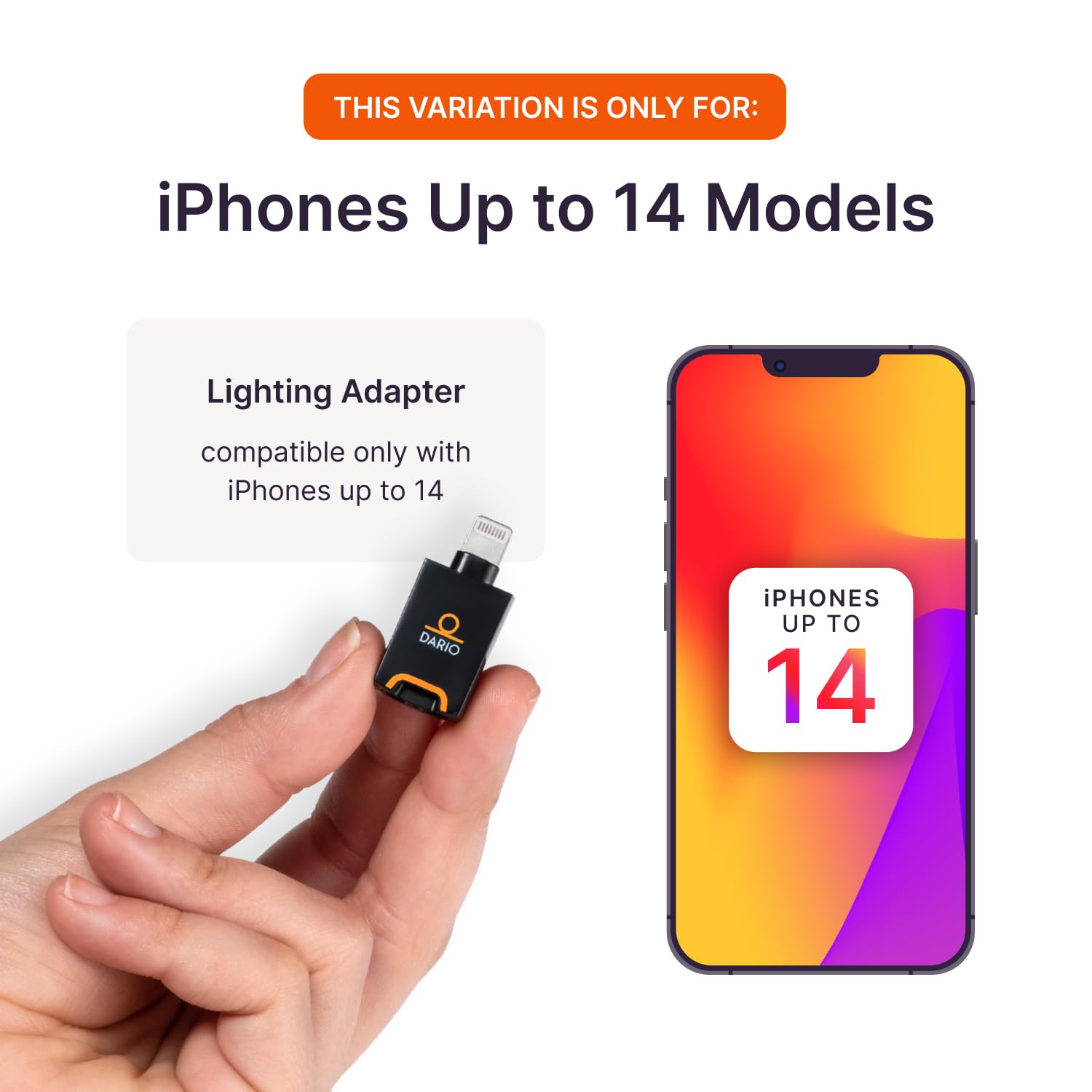
DARIO
$49.95
In stock on Amazon
Check price on AmazonDario Blood Glucose Monitor: The All-in-One Bet
Dario takes a fundamentally different design approach. The meter is a small cartridge that plugs directly into your phone’s charging port (Lightning or USB-C depending on device), meaning the phone itself is the display. There’s no separate Bluetooth pairing — the device is always connected because it’s physically attached to your phone when you test.
The promise: Fewer moving parts, a faster workflow, and an app (Dario Health) built to be a full diabetes management platform rather than just a logging tool. The Dario app includes carb tracking, insulin logging, activity integration, and a coaching layer with behavioral nudges. For users who want one app to handle everything, that’s a genuine differentiator.
The strip math: This is where the tradeoff sharpens. Dario strips come in 25-count cartridges priced at roughly $1.00–$1.40 per strip — nearly double the Contour Next ONE. At four daily tests, that’s approximately $120–$168 per month at retail pricing. Dario’s direct-to-consumer subscription model prices strips lower and bundles lancets, but the economics depend heavily on your testing frequency and willingness to commit to recurring shipments.
Where owners push back: The most common criticism across owner accounts is the physical connection model creating practical fragility. The dongle can be lost or damaged, and testing requires having your phone present and unlocked. In clinical or high-testing workflows — pediatric Type 1 management, for example — that dependency can be a real inconvenience. Healthline’s Best Glucose Meters for Tracking Blood Sugar (reviewed 2024) flags the requirement for phone presence as a practical limitation for some users.
The honest tradeoff: Dario makes the most sense for someone who wants a unified diabetes management platform and tests infrequently enough that the per-strip premium is acceptable. It’s a harder sell for high-volume testers. If recommending it to a patient, confirm they’re willing to manage the subscription economics and the phone-as-display workflow before committing.
KETO-MOJO
$49.99
In stock on Amazon
Check price on AmazonThe Decision Rules: If X, Then Y
You’ve seen the numbers. Here’s how to apply them:
If your primary constraint is monthly strip cost and you test three to five times daily, the iHealth Align’s approximately $0.30-per-test floor is the floor in this category. The app will feel basic compared to its competitors, but you’ll spend $20–$35 less per month than Contour users — roughly $240–$420 per year in strip savings.
If you’re managing with a care team, sharing logs at appointments, or recommending a meter to patients who need to demonstrate glycemic patterns, the Contour Next ONE is the defensible choice. The app’s clinical reporting layer is the reason it keeps appearing in care recommendations aligned with ADA guidance. As the ADA’s Standards of Care in Diabetes 2025 notes in Section 7, structured data review between patients and clinicians is a core component of effective technology-assisted diabetes management. The strip premium buys you that data infrastructure, not just readings.
If you want an all-in-one behavioral health platform and you test fewer than twice daily, Dario’s app ecosystem is genuinely differentiated. The integrated coaching, carb tracking, and insulin logging go beyond what either competitor offers. But run the subscription math against your actual testing frequency before committing — the per-strip cost at retail makes it expensive quickly if usage increases.
If you’re in a CGM transition period — recently approved for a continuous glucose monitor but waiting on insurance authorization — any of these three meters will bridge the gap competently. In that window, iHealth’s low strip cost minimizes sunk spend while you wait for sensor coverage to activate.
One final note for caregivers and educators purchasing on behalf of others: all three meters and their strips are FSA/HSA eligible, which can effectively reduce your out-of-pocket cost by your marginal tax rate. If you’re holding FSA dollars before a year-end deadline, any of these three is a clean spend.
The connected meter category has matured. The hardware is reliable across the board. The choice is really about which data ecosystem serves your actual workflow — and how much that ecosystem is worth per strip, every month.