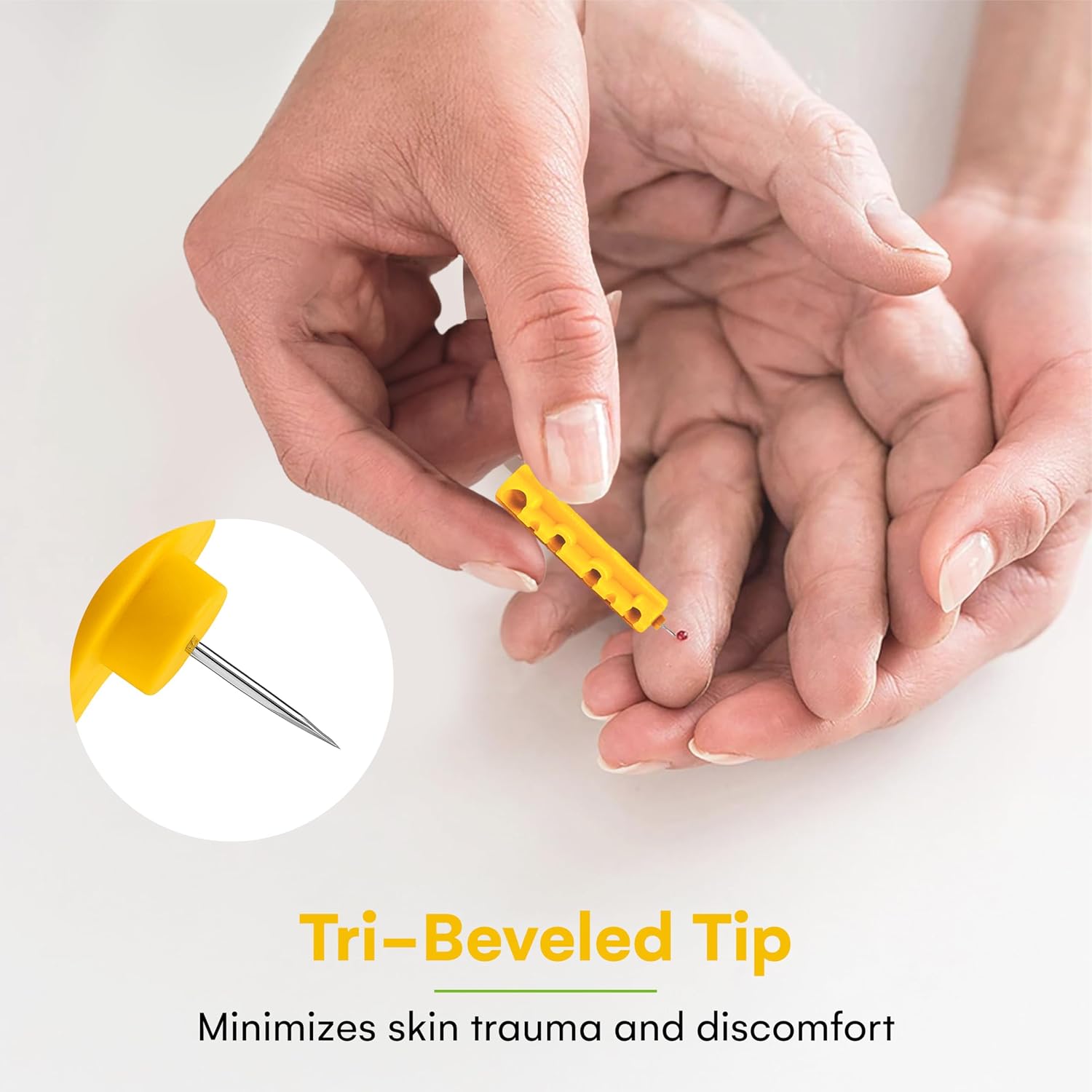
If you’ve been finger-sticking for a while, you’ve probably accepted that it’s going to hurt a little. That’s a reasonable assumption — but it may not be a correct one. A lancet is the tiny needle used to prick your fingertip and draw the small drop of blood your glucose meter needs to give you a reading. Most people grab whatever lancet came in the box with their meter and never think twice about it. But lancets vary in meaningful ways: the thickness of the needle (called gauge), whether the tip has a friction-reducing silicone coating, and how the cap is designed all affect how much discomfort you feel and how reliably you get a usable blood sample. This article breaks down what those differences actually mean in practice — and which products owners say made a real difference in their daily routine.
| EDITOR'S PICKOneTouch Delica Plus Lancets -… | Mid-tierAscensia MICROLET Lancets for G… | Budget pickTRUEplus Sterile Lancets 33 Gau… | |
|---|---|---|---|
| Gauge | 30 | 28 | 33 |
| Count | 180 | 100 | 200 |
| Coating | — | Silicone | — |
| Single-use | ✓ | ✓ | — |
| Color | — | Multi-colored | — |
| Price | $24.89 | $12.10 | $6.42 |
| See on Amazon → | See on Amazon → | See on Amazon → |
What Gauge Actually Means (and Why the Number Works Backwards)
Gauge is the standardized measurement of needle thickness. Here’s the counterintuitive part: a higher gauge number means a thinner needle. So a 33G lancet is thinner than a 28G lancet, not thicker.
Thinner needles displace less tissue on entry, which is the primary reason a higher gauge tends to mean less perceived pain. The nerves in your fingertip are detecting the diameter of the puncture — smaller diameter, less signal. Healthline’s article “How to Do a Finger Stick Blood Sugar Test” notes that lancet gauges most commonly recommended for adults range from 28G to 33G, with higher gauges generally preferred when skin sensitivity is a concern.
But gauge doesn’t work in isolation. A thin needle with a dull tip — from repeated use — can actually hurt more than a slightly thicker needle used fresh. The tip geometry matters as much as the diameter, which is why single-use sterility is part of the pain equation even before coating enters the conversation.
By the numbers: Gauge, diameter, and context
| Gauge | Approximate needle diameter | Common user profile | Tier |
|---|---|---|---|
| 28G | ~0.36 mm | Thicker skin, reliable blood flow | TRUEplus — $6.42 |
| 30G | ~0.31 mm | General adult use, popular middle ground | Ascensia — $12.10 |
| 33G | ~0.21 mm | Thin or sensitive skin, occasional re-stick needed | OneTouch — $24.89 |
The American Diabetes Association’s Standards of Care in Diabetes 2025 (Section 7: Diabetes Technology) notes that lancing device depth and needle gauge should be matched to individual skin thickness — a point practitioners often relay to patients but rarely make specific enough to be actionable at the point of purchase.
Silicone Coating: The Detail Most People Skip
After gauge, silicone coating is the second most impactful variable in real-world comfort — and it’s almost never mentioned on the front of the box.
A silicone-coated lancet tip glides through skin with less friction than an uncoated one. The difference isn’t dramatic on the first stick, but it compounds over the course of a day for someone testing four times daily.
Ascensia Microlet Lancets — Silicone-Coated, Color-Capped
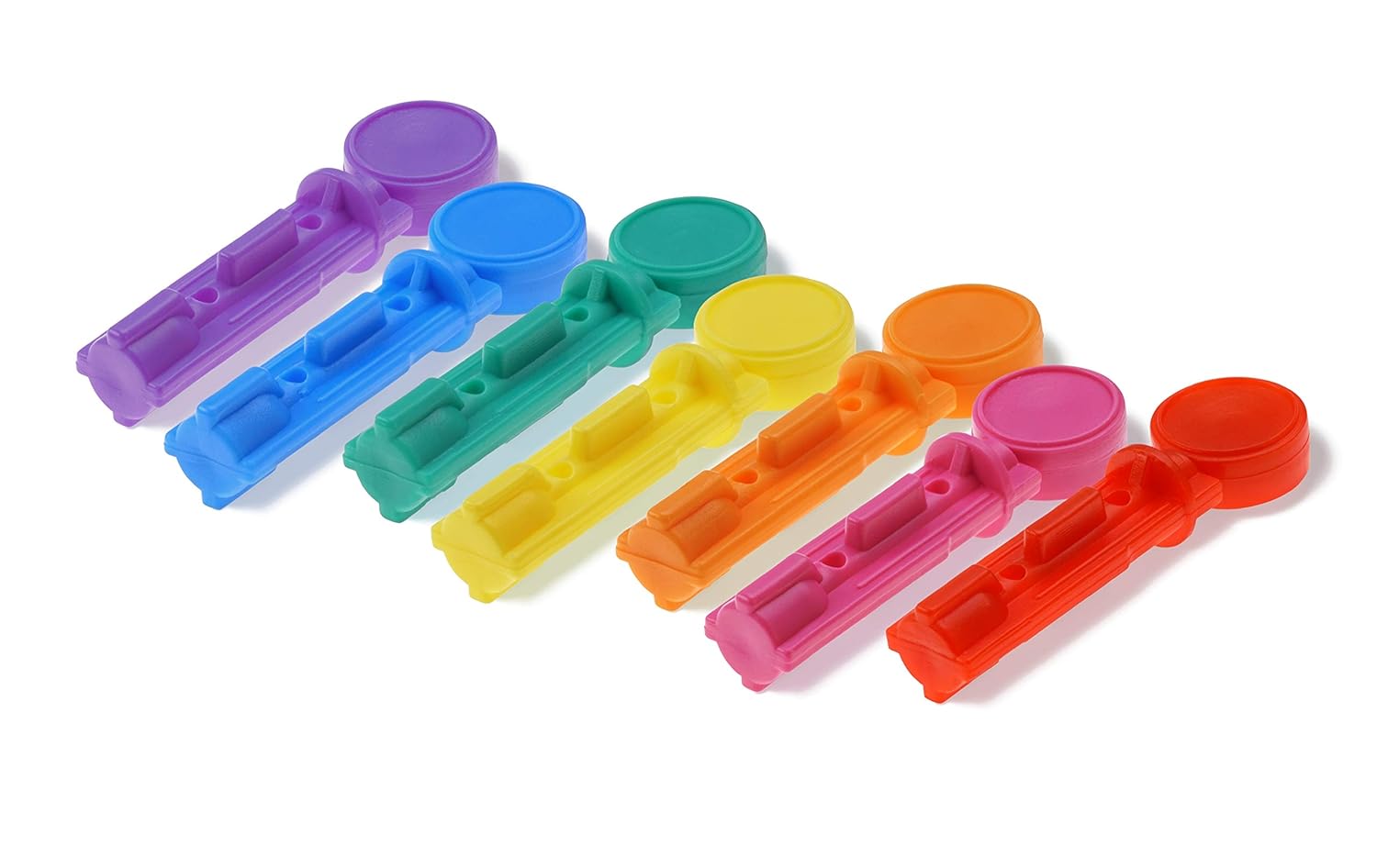
Ascensia Microlet lancets carry a silicone coating and have earned a consistent reputation in owner reviews specifically on this point. Owners report using them for years without significant complaint, with long-term reviewers citing the silicone coating as the reason they stopped trying other brands. An unexpected detail that surfaces repeatedly in Microlet owner reports: the colored caps — a small design feature that gets mentioned as a genuine daily positive, particularly for caregivers managing lancets for children who respond to color and novelty. For users whose primary concern is long-term, consistent comfort and who test multiple times daily, Microlet lancets represent a well-established option.
Ascensia
$12.10
In stock on Amazon
Check price on AmazonCare Touch 30G Lancets — Gauge and Tip Geometry Without Coating Overhead
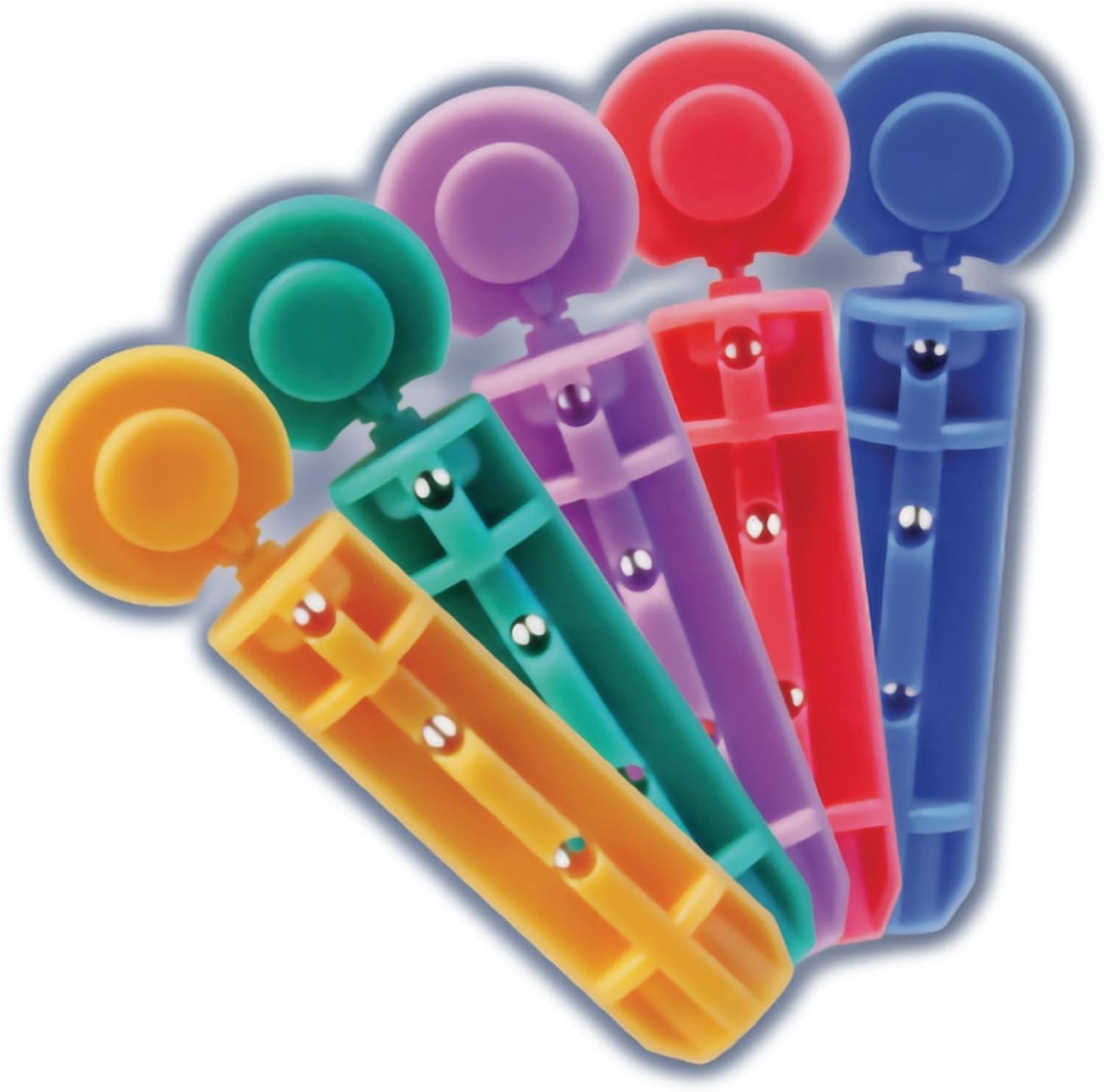
Care Touch 30G lancets take a different approach to pain reduction — one that leans on gauge and precision tip geometry rather than coating marketing. Owners of Care Touch 30G lancets frequently describe genuine surprise at the lack of discomfort. A recurring theme in aggregated owner reviews describes the experience as “felt no pain, just a little pressure” after years of accepting lancet discomfort as an unavoidable part of diabetes management. That framing — surprise that it doesn’t have to hurt — is worth taking seriously as a signal about how low the baseline expectation typically is. Care Touch lancets are also commonly available in higher-count packs, making the per-stick cost among the lowest in the category.
TRUEplus
$6.42
In stock on Amazon
Check price on AmazonOneTouch Delica Plus Lancets — Fine-Gauge for High-Frequency Testers
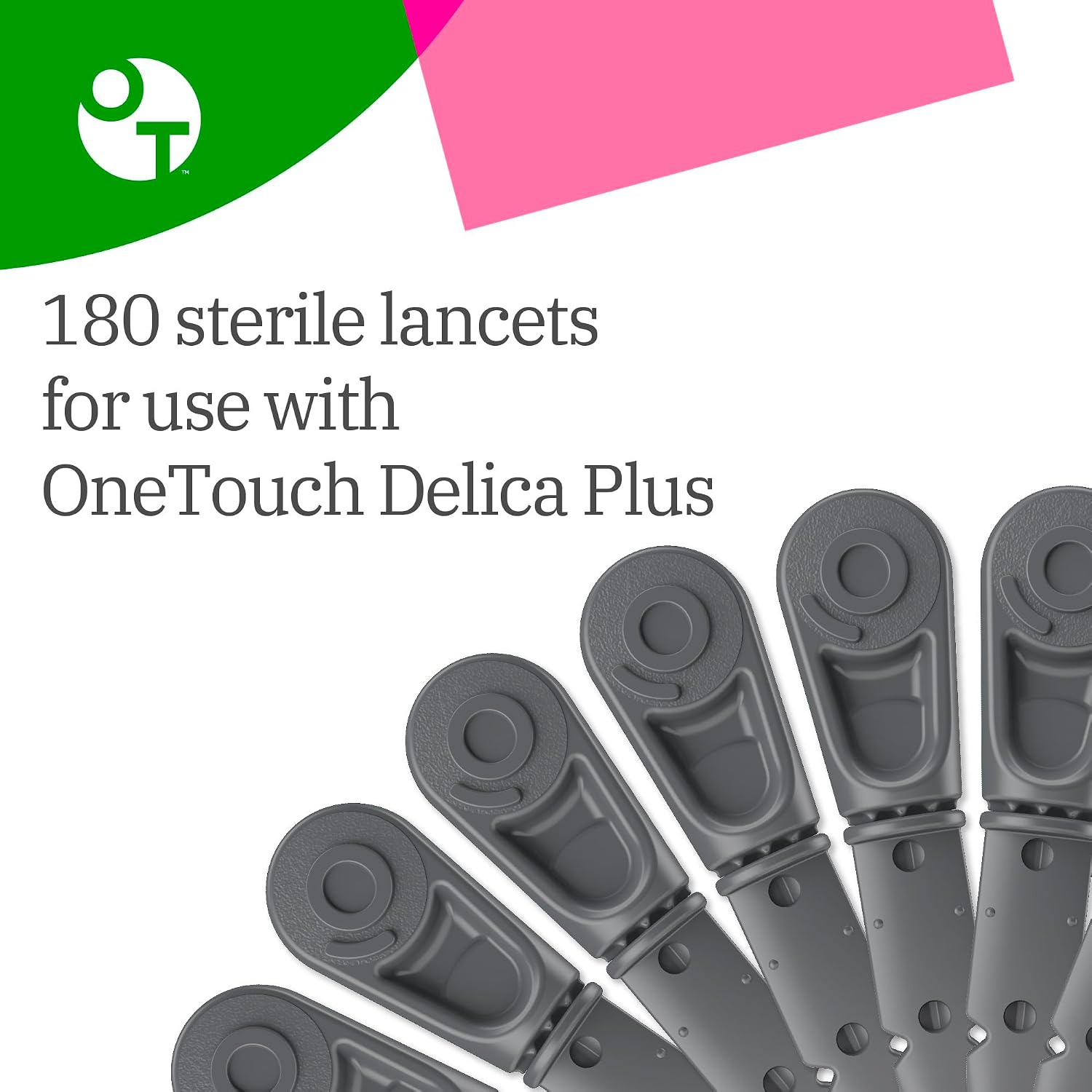
OneTouch Delica Plus lancets sit closer to the 33G end of the spectrum and attract a specific kind of owner: people testing four or more times per day who have made the deliberate calculation that a slightly higher per-lancet cost is worth reducing daily dread. That framing — reducing dread — is not trivial. Mayo Clinic’s guidance “Blood Sugar Testing: Why, When and How” notes that consistent testing frequency directly supports glycemic control outcomes. Anything that lowers the psychological friction of testing has clinical relevance beyond comfort alone.
OneTouch
$24.89
In stock on Amazon
Check price on AmazonThe 33G Trade-Off: Thinnest Available, With a Real Catch
TRUEplus 33G lancets sit at the thin end of the consumer gauge spectrum. Owners confirm they are among the thinnest available for standard lancing devices, and the comfort profile reflects that. But there’s a trade-off that shows up consistently in owner reports: occasional re-sticks are needed to produce enough blood volume for a successful reading.
This is a real clinical issue, not a fringe complaint. A thinner lancet creates a smaller puncture. For people with good circulation and normal skin thickness, this is rarely a problem. But for people with peripheral circulation issues — common in Type 2 diabetes — or thicker fingertip calluses from repeated testing, a 33G lancet may not reliably deliver adequate sample volume on the first stick.
If you’re evaluating lancets for a patient panel or advising a caregiver, this trade-off is worth naming explicitly:
- 33G → lowest perceived pain, highest risk of insufficient sample on first attempt
- 30G → middle ground most owners find workable across skin types
- 28G → reliable blood flow, perceptible but manageable discomfort for most users
TRUEplus owners also flag cap removal as fiddly — a minor ergonomic complaint that matters more for users with dexterity limitations or arthritis.
Lancing Device Compatibility and Why It Matters More Than You Think
The lancet is only half the system. The lancing device — the spring-loaded pen that drives the lancet into the skin — controls depth, consistency, and whether the full gauge benefit of a thin lancet is actually delivered.
A recurring pattern in owner reviews of the AUVON lancing device is instructive here: buyers report that the lancing device included with their glucose meter was too weak to reliably pierce thick skin, producing insufficient samples or requiring uncomfortable pressure. The solution they found was switching to the AUVON standalone lancing device, which offers more adjustable depth settings and a stronger spring mechanism. This matters because a 33G lancet paired with an underpowered device can be worse than a 30G lancet in a properly calibrated device — you get the re-stick rate without the pain benefit.
Compatibility between lancets and lancing devices is generally standardized across the industry. Most lancets use a universal twist-off cap design that fits the majority of lancing devices, including the Contour Next lancing device and the OneTouch Delica lancing device. The AUVON device accepts standard lancets. When patients change lancet brands, they often assume the device won’t work and stick with inferior lancets unnecessarily — that assumption is worth correcting at the point of care.
Safety Lancets: A Legitimate Alternative, Not a Compromise
Pip safety lancets occupy a different product category. A safety lancet is a self-contained, single-use device: the needle deploys on contact with skin, retracts automatically, and cannot be reused or recapped. No separate lancing device is needed.
Pip owners consistently use words like “painless,” “compact,” and “convenient” in reviews. The appeal is obvious for travel, for caregivers managing testing in public, and for people who dislike the loading ritual of a traditional lancing device. They’re also well-suited for children or new-to-testing adults who find the spring-loaded device intimidating.
The trade-off is cost per stick, which runs higher than bulk lancets used in a reusable device. For someone testing once daily, the premium is negligible. For someone testing four times daily, the math shifts — worth running before recommending to a cost-sensitive patient.
Ascensia
$12.10
In stock on Amazon
Check price on AmazonFrequently Asked Questions
Does a higher gauge number really mean less pain?
Generally, yes — a higher gauge number means a thinner needle, which displaces less tissue and stimulates fewer pain receptors. But gauge alone doesn’t guarantee comfort. A worn or dull tip from repeated use, or a lancing device set too deep, can make even a thin lancet uncomfortable. Coating and tip sharpness interact with gauge to produce the actual experience.
Why do lancets hurt more after the first use?
The tip of a lancet is precision-sharpened at manufacturing. After a single use, that tip is microscopically damaged from contact with skin. Subsequent uses with the same lancet mean penetrating tissue with a blunted edge, which requires more force and causes more pain. Healthline’s article “How to Do a Finger Stick Blood Sugar Test” recommends one lancet per use — though real-world adherence to that guideline varies widely.
What lancets work with the AUVON, Contour, or OneTouch lancing devices?
Most consumer lancets follow a universal cap design and fit the majority of lancing devices, including the AUVON device, the Contour Next lancing device, and the OneTouch Delica lancing device. The key exceptions are safety lancets like Pip, which are self-contained and don’t use a separate device at all. When in doubt, check whether the lancet uses a standard twist-off cap — if it does, it almost certainly fits.
Is 33G thin enough to sometimes not produce enough blood?
Yes, and this is a documented real-world issue, not a corner case. Owners of TRUEplus 33G lancets specifically flag this: the puncture may be too small to produce adequate blood volume on the first attempt, particularly for users with thicker skin or reduced peripheral circulation. For those users, 30G may deliver a better balance of comfort and reliable sample production.
What’s the difference between a safety lancet and a lancet used in a lancing device?
A standard lancet is a small needle that requires a separate spring-loaded lancing device to deploy it into the skin. A safety lancet like Pip is an all-in-one device: the needle is integrated, deploys on skin contact, and retracts automatically after use. Safety lancets are single-use by design and don’t require a lancing device. They’re generally more convenient for occasional use or travel but cost more per stick.
How often should I actually change my lancet?
The clinical recommendation is with every single use. The FDA’s guidance document “Blood Glucose Monitoring Test Systems for Prescription Point-of-Care Use” reinforces single-use as the standard, primarily because a used lancet is no longer sterile and the tip degrades quickly. If you’re experiencing more pain than you expect, a dull lancet from repeated use is the first variable to rule out before switching brands.
The Decision Rule
Here’s the if/then frame for matching lancet specs to user profiles:
- If the user has thin or sensitive skin and good peripheral circulation → 33G (TRUEplus or Delica Plus), accept occasional re-stick, pair with a well-calibrated lancing device
- If the user tests 4+ times daily and daily dread is a stated barrier → OneTouch Delica Plus or Care Touch 30G for the comfort-reliability balance; owners consistently rate both as meaningful upgrades over generic lancets
- If silicone coating and long-term consistency are priorities → Ascensia Microlet, with the colored caps as a genuine secondary benefit for pediatric or caregiver contexts
- If the user’s current lancing device isn’t producing reliable samples on thin lancets → add the AUVON standalone device before blaming the lancet gauge
- If convenience, travel, or device anxiety is the primary complaint → Pip safety lancets, knowing the per-stick cost runs higher than bulk options
The lancet is the smallest line item in a diabetes management budget. It’s also the one that determines whether someone tests when they should or skips because it hurts too much. That asymmetry — between a few cents per stick and a missed reading that compounds over weeks — is worth taking seriously every time a lancet recommendation comes up in a clinical conversation or a product search.